If you read and enjoyed our previous article on forest interior dwelling birds, you’re in…
Local Wildlife Spotlight: FIDS
At Herrington Harbour, we maintain a distinct focus on the environment, and it permeates beyond our groundskeeping into all facets of the marina. As part of an initiative to spread knowledge about the local wildlife by the Bay, we bring you this spotlight article, which focuses on the kinds of creatures that like to hang out in these parts.
Providing a Protected Forest
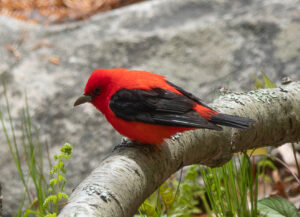
First on the docket is a topic of much discussion in the conservation community: FIDS. This acronym refers to Forest Interior Dwelling Species and usually refers to birds. These avian species require the specific blend of factors that can only be found within a protected forest area. They need canopy cover, underbrush, and the more humid climate found in the interior of a forest to live. While many native Maryland birds survive well along the forest edge, over 25 native species require this distinct interior environment, including the maestros of such beautiful songs like those of the wood thrush and the red-eyed vireo.
As forested land is parcelled into smaller lots and developed, forest interior spaces are dwindling. These species require not only a 300-foot buffer of insulating forest but at least 50-acres of forest to support the habitat. As you can imagine, land that fits this description in Maryland is slim pickings. In addition, those birds which breed in North America and spend their winters in the tropical regions of South America rely on forest interior environments for their breeding grounds and/or sources of food on their long journey.
In the 1990s, Steuart Chaney designated a 600-acre forested land area in Anne Arundel County into permanent preservation. This means it cannot be developed or built on and has been left as an ideal haven for Forest Interior Dwelling birds, among many other native critters. This demonstrates Herrington Harbour’s commitment to preserving the natural environment and the habitats of wildlife by the Chesapeake Bay.
Discover more about FIDS by visiting The Smithsonian National Zoo website.
Written by Rebecca Corey, Herrington Harbour South
Related Posts